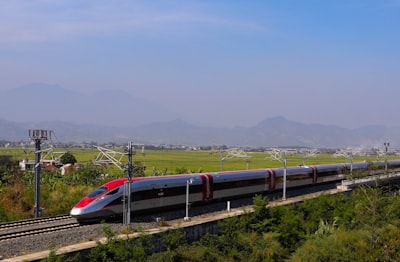
The decarbonization of Canada’s railway sector is a pivotal step toward achieving national greenhouse gas (GHG) reduction targets. This study provides a comparative techno-economic analysis of battery-electric and hydrogen fuel cell propulsion technologies for freight and passenger rail operations across Canadian regions. Using real-world case data and simulation models, we assess energy requirements, emissions reduction potential, lifecycle costs, and operational feasibility.
Results show that battery-electric locomotives consume approximately 7.5–9.0 kWh per kilometer, offering energy efficiency levels up to 85%, and are economically viable for routes under 300 km in length, especially in urban and semi-urban corridors. In contrast, hydrogen fuel cell locomotives require 1.2–1.4 kg of hydrogen per kilometer, with an overall energy efficiency of 45–55%, and are better suited for long-distance routes exceeding 500 km, particularly in non-electrified or remote areas.
From a cost perspective, battery-electric systems show lower operating costs, though initial infrastructure investments for battery charging can reach $1.2–2.0 million per station. Hydrogen systems require significant capital for electrolyzer deployment and storage, with costs estimated at $2.5–3.5 million per fueling station. Despite higher capital costs, hydrogen enables longer range and faster refueling times, making it advantageous for high-capacity, long-haul applications.
The study concludes that a hybrid adoption strategy – deploying battery-electric systems in dense corridors and hydrogen fuel cells in remote or long-haul routes – could reduce railway GHG emissions by up to 75–90% by 2050, supporting Canada’s commitment to net-zero transportation.
Rail LCC and GHG Calculator
Rail Lifecycle Cost and GHG Calculator
Edit the assumptions below to calculate discounted LCC and lifecycle
GHG intensity for Diesel, Battery-Electric, and Hydrogen systems.
Global Assumptions
Editable
Equations Used
Model
LCC = CAPEX + PV(OPEX) + PV(Replacements)
PV(OPEX) = Σ[t=1..N] (Annual Energy Cost + Annual Maintenance + Annual Labor) / (1+r)^t
Annual Energy Cost
Diesel = annual_km × diesel_use_L_per_km × diesel_price
Battery = annual_km × electricity_use_kWh_per_km × electricity_price
Hydrogen = annual_km × hydrogen_use_kg_per_km × hydrogen_price
GHG intensity (gCO2e/km) =
Operational/Upstream fuel emissions
+ annualized manufacturing emissions per km
+ annualized infrastructure emissions per km
+ annualized replacement emissions per km
Annualized manufacturing emissions per km =
(total manufacturing emissions over life) / (years × annual_km)
Ever-evolving and ever-persisting, the world of railway transportation is constantly seeking ways to improve efficiency and enhance the overall passenger experience. In this fast-paced era of technological advancements and fierce competition, the need for innovative railway efficiency improvement strategies has never been more crucial.
From implementing cutting-edge scheduling algorithms to optimizing maintenance practices, the possibilities for enhancing railway operations are limitless. As demand for sustainable transportation options continues to grow, the pressure is on for railway companies to adapt and embrace change railways.
Join us as we embark on a journey through the world of railway efficiency improvement strategies, exploring the impact of new technologies, streamlined processes, and forward-thinking initiatives. It’s time to revolutionize the way we think about railways – it’s time to change railways and boost efficiency now!
Change Railways: Boost Efficiency Now!
Table of Contents
Current Challenges in Railway Operations
Implementing advanced technologies like IoT sensors and AI-driven predictive maintenance has greatly enhanced operational processes, reducing downtime and optimizing resource allocation. By using real-time data analytics and automation in maintenance tasks, efficiency levels have increased, improving service quality and cutting costs. Success stories from railway companies globally highlight the benefits of focusing on efficiency improvements, showing how streamlined operations can support sustainable growth and customer satisfaction. Staying ahead in railway efficiency is crucial for driving innovation and staying competitive in the evolving transportation industry.
Change Railways: Boost Efficiency Now!
Technology Innovations Revolutionizing the Industry
Advancements in rail transportation, from high-speed trains to maglev technology, are revolutionizing the industry. Intelligent signaling systems and autonomous trains improve safety and efficiency. Digital twins and virtual reality simulations optimize maintenance and planning. These innovations not only enhance operations but also elevate the travel experience for passengers.
Change Railways: Boost Efficiency Now!
Furthermore, blockchain technology is increasing transparency and security in railway operations. Smart ticketing systems and real-time passenger information apps improve convenience. The use of renewable energy sources, like solar-powered trains, drive sustainability. Collaboration between rail companies and tech firms is essential for a more efficient and eco-friendly future.
Strategies for Enhancing Efficiency
Railways are looking to enhance operational performance by improving maintenance practices and using data analytics for predictive maintenance. Smart monitoring systems and automation technologies help track assets in real-time, ensuring safety and reducing downtime. Transitioning to streamlined scheduling processes and integrating AI-powered route optimization algorithms helps railways manage resources better, enhance punctuality, and increase overall productivity.
Change Railways: Boost Efficiency Now!
By embracing digital transformation and modernizing operations, railway companies can save costs, improve customer satisfaction, and stay competitive in a rapidly changing market.
Case Studies of Successful Implementations
Efficient scheduling and optimizing routes are important for reducing traffic and delays. Using advanced signaling and control systems can improve safety and performance. Predictive analytics and IoT sensors help manage maintenance and operational issues. Strategic partnerships and collaboration support network optimization.
Change Railways: Boost Efficiency Now!
Investing in technology and infrastructure creates a sustainable rail network. Embracing innovation and data-driven decision-making leads to successful rail network optimization.
Future Trends and Outlook for the Railway Sector
Railway companies can improve safety, reduce delays, and enhance customer experience by upgrading infrastructure, implementing new technologies, and enhancing operational efficiency. One key aspect of railway modernization is adopting digital solutions like predictive maintenance systems, real-time monitoring tools, and automated scheduling platforms. These technologies streamline operations, optimize resources, and increase productivity. Modernization efforts also lead to cost savings, environmental benefits, and increased competitiveness. Embracing modernization is essential for railways to stay relevant and thrive in the digital age.
Revolutionizing the Railway Industry with Railinno AI In Rail’s Advanced Technology
Railinno AI In Rail is revolutionizing the railway industry with its advanced artificial intelligence technology. By utilizing real-time data analysis, predictive maintenance, and route optimization, this cutting-edge business is helping rail operators streamline operations and maximize efficiency.
The innovative features offered by Railinno AI In Rail not only reduce costs but also enhance overall safety for passengers and cargo. With its state-of-the-art algorithms and machine learning capabilities, Railinno AI In Rail is truly changing the way railways operate.
From ensuring trains run on time to proactively detecting maintenance issues before they become major problems, this AI-powered solution is paving the way for a more efficient and sustainable future in transportation. Join the revolution with Railinno AI In Rail and experience the benefits of modern technology in the railway industry.
Last words
As the railway industry continues to evolve, the emphasis on efficiency enhancement becomes more crucial than ever. From the implementation of cutting-edge technologies to the streamlining of processes, there is a collective effort to maximize productivity and reduce operational costs.
The future of railways lies in innovation and adaptability, as the demands of a growing population and increasing environmental concerns necessitate a shift towards sustainable practices. By staying ahead of the curve and embracing change, the railway industry is poised to revolutionize transportation and shape the way we move goods and people around the world.
The potential for growth and progress is limitless, and with a united commitment to efficiency enhancement, the possibilities are truly marvelous. So let us all board the train to a brighter and more efficient future, where the railway industry leads the way in shaping a sustainable and connected world.
Rolling Stock Market in Canadian Rail Transit: A Historical Perspective
Introduction
The rolling stock market, particularly for Light Rail Transit (LRT) and tram procurement, has been a dynamic sector in Canadian rail transit over the past 50 years. A detailed look at the procurement patterns in five major Canadian cities—Vancouver, Calgary, Edmonton, Montreal, and Toronto—reveals a significant trend: every second half of each decade has been marked by a surge in procurement activities. This article delves into the data to uncover the historical procurement patterns and their implications for the future of Canadian rail transit.
Vancouver Rolling Stock Market
Vancouver’s procurement history shows a clear pattern of increased activity in the second half of each decade. The city acquired a substantial number of cars for its SkyTrain system during these periods:
– 1984–1986: 114 ICTS Mark I cars – 1990–1991: 16 ICTS Mark I cars – 1994–1995: 20 ICTS Mark I cars – 2000–2002: 60 ART Mark II cars – 2009: 34 ART Mark II cars – 2010: 14 ART Mark II cars – 2016: 28 Innovia Metro Mark III cars – 2018–2020: 56 Innovia Metro Mark III cars – 2009: 40 Hyundai Rotem EMU cars – 2019–2020: 24 Hyundai Rotem EMU cars
Calgary Rolling Stock Market
Calgary has also seen significant procurement activities, particularly in the second half of the decades:
– 1979–1985: 83 Siemens–Duewag U2 cars – 1988: 2 Siemens–Duewag U2 AC cars – 2001–2006: 72 Siemens SD-160 Series 5/6/7 cars – 2007–2012: 38 Siemens SD-160NG Series 8 cars – 2013–2018: 69 Siemens S200 cars
Edmonton Rolling Stock Market
Edmonton’s rolling stock procurement has followed a similar pattern: